Shipped with Helm: one sec
Welcome to Shipped with Helm, a new interview series featuring the developers behind some of the biggest apps that ship through Helm. We talk to them about how they plan and build updates.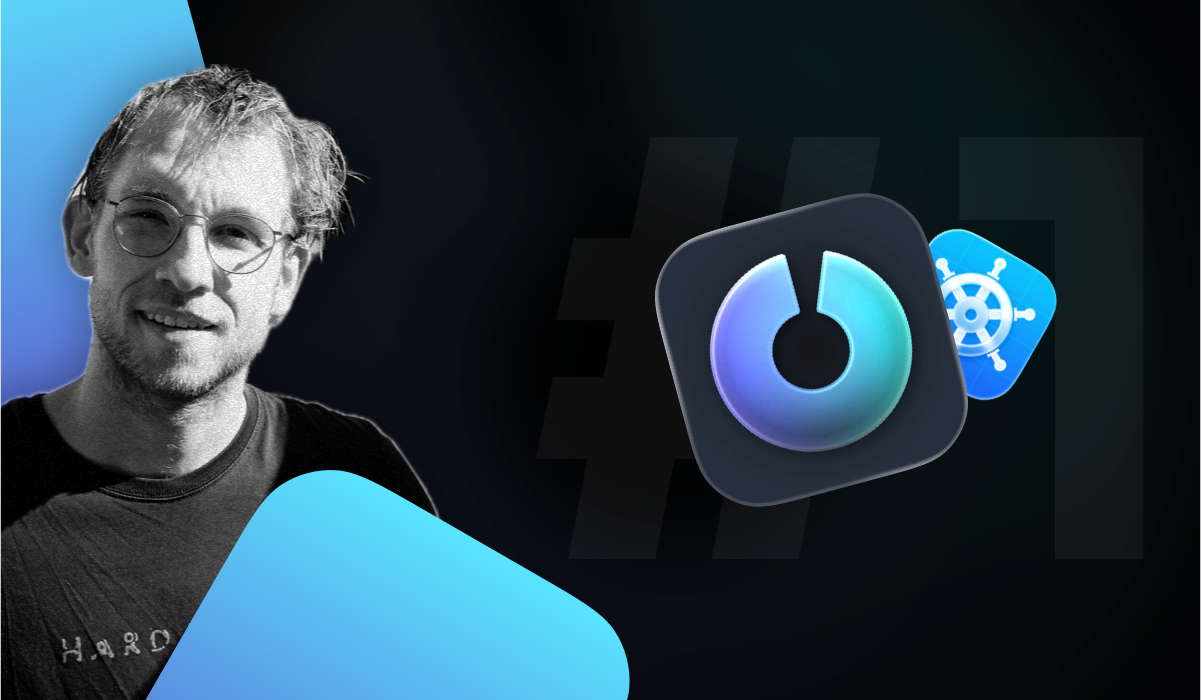
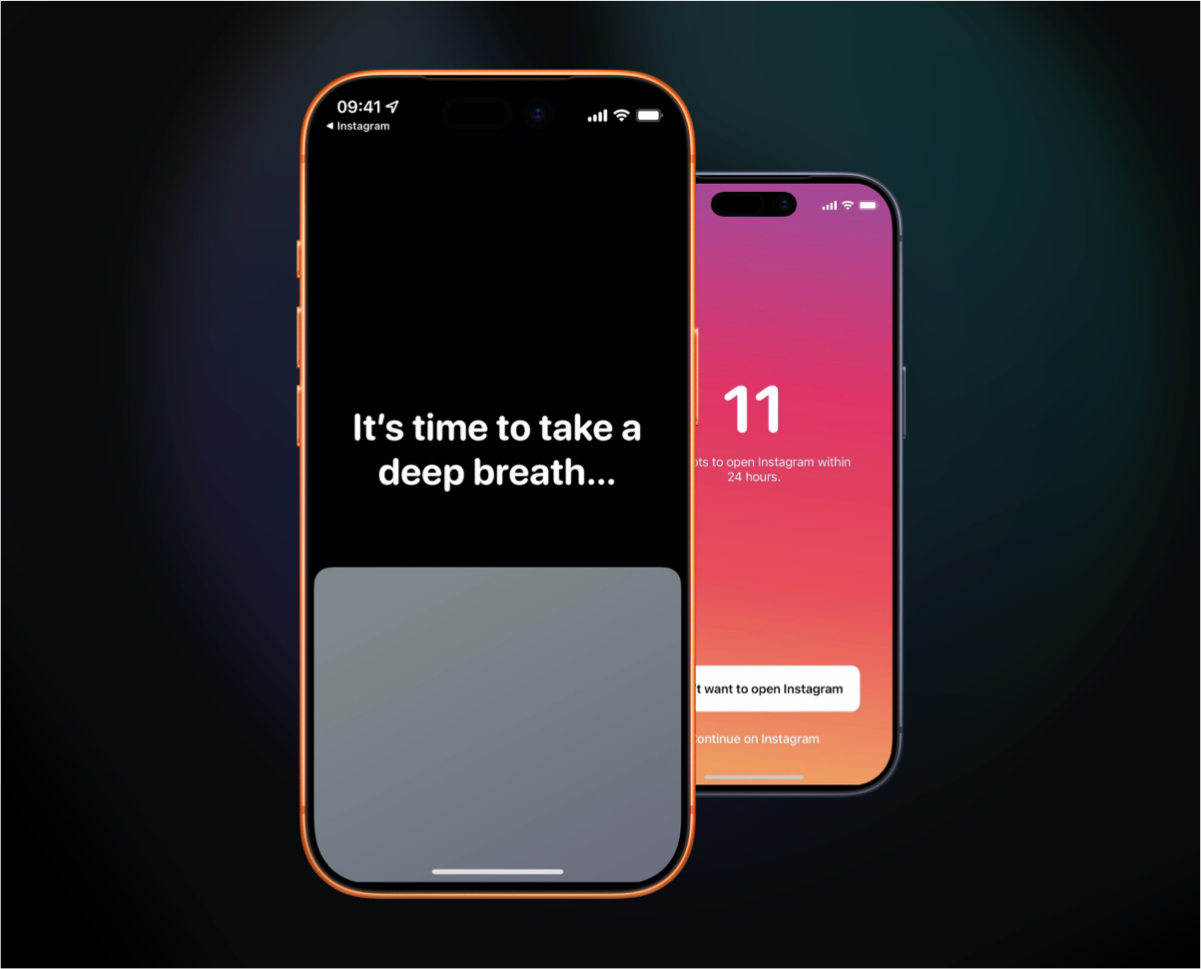
First up is Frederik Riedel, founder of one sec, an app that helps you build a healthier relationship with your phone by introducing a pause before you can access distracting apps.
Can you tell us about your app and the team behind it?
In 2020, during the first lockdown in Germany, I felt terrible about my relationship with social media. I’d often scroll for hours without any intention and without even realizing what I was up to.
So I had to change something. And as an indie developer, I always try to solve my problems with apps: My idea was to introduce a short pause, a breathing exercise, every time I open a distracting app (e.g. Instagram or Twitter). The principle turned out super effectve, because it takes away the instant dopamine from social media. The brain gets rewired. We were actually able to demonstrate that one sec reduces social media usage by 57% on average together with the Max Planck Institute in Berlin.
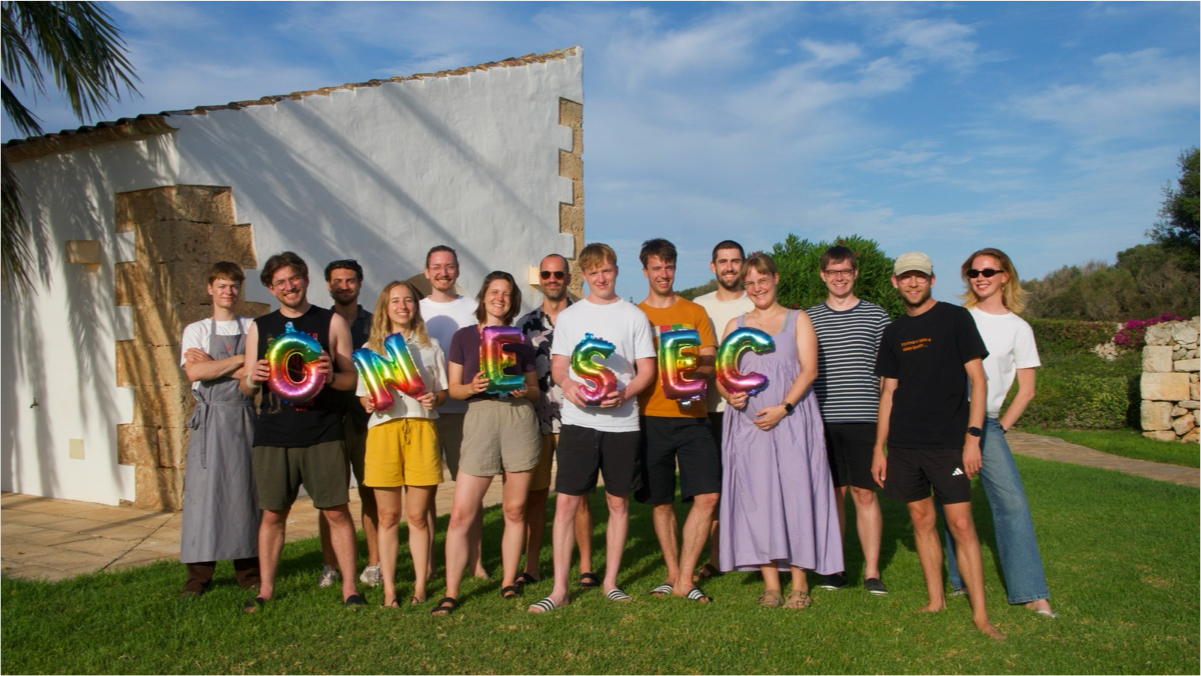
Nowadays, one sec is built by an 18 person indie team across Europe.
We don’t have any investors so we can remain true to our mission: we want to offer the best tools to gain back control and shape digital environments for the benefit of the user…not to increase profits.
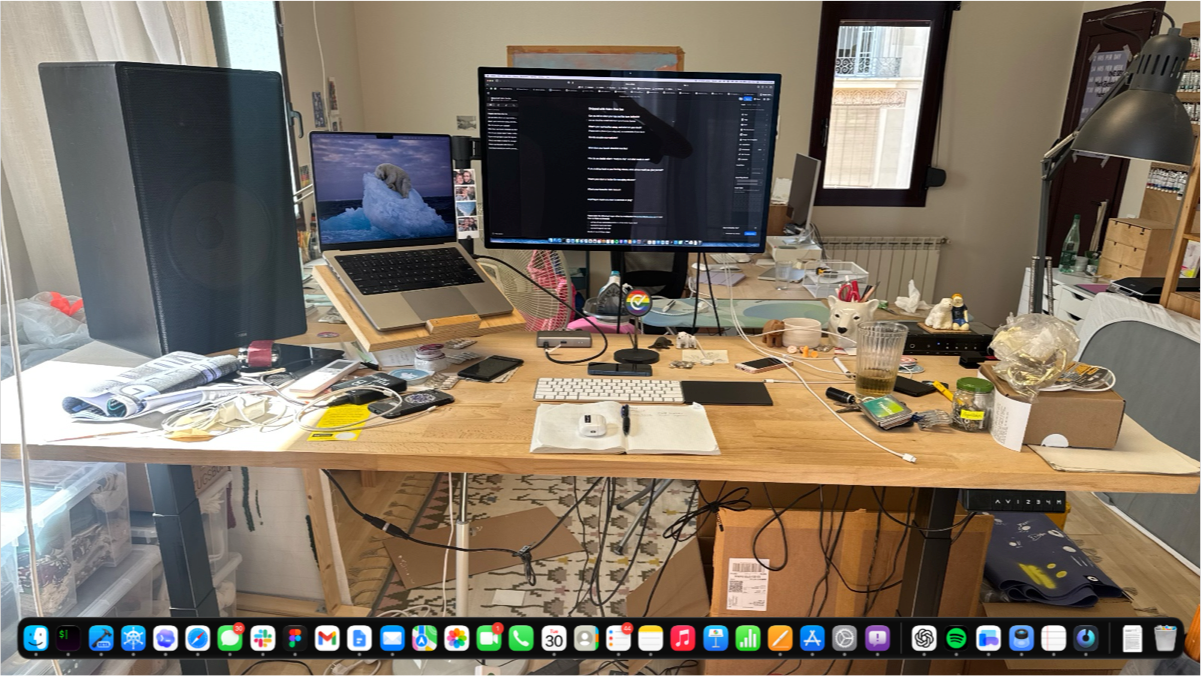
What’s your workstation setup, and what’s in your dock?
- 14” M5 Pro MacBook Pro
- 27” Studio Display
- Standing Desk
- Chaos
- White and Green Tea
- My most-used apps: Helm ofc, Feedback Assistant, Xcode, Figma, Slack, Codex, iMessage, Gmail, Mail, Safari, Notes, Spotify, Safari, aaaaand: one sec
How do you plan your updates?
For me, updates are divided into 3 categories:
#1: Minor / Bug Fix Updates
- Small bug fix / enhancement updates that don’t introduce any new features.
- Minor version increase, like 5.0.1
- Customer support informs developers about new bugs, we try to fix them & ship asap.
#2: Feature Updates
- Adds at least one big new shiny feature.
- Major version increase, like 5.1
- Usually takes a couple of weeks to months of design work, implementation work, testing.
#3: Big Releases
- Usually goes along with a redesign of at least one major part of the app.
- Takes months of design explorations until direction is clear.
- Adds multiple new features.
- New version number, like 6.0
We usually work on multiple new features at the same time and try to keep development work on separate feature branches so we remain flexible about how these features are combined and release.
From there, we regularly merge into a TestFlight (release) branch to bring everything together and have everything well-tested in combination.
When features are nearing completion we decide which ones go together into one update.
What does your launch checklist look like?
- Long TestFlight testing period. We have hundreds of beta-testers that help us catch bugs early.
- Inform Apple ca. 6 weeks ahead about the new update using Helm’s Nominations feature.
- A ton of QA testing. An average one sec user uses the app 20× per day. Shipping bugs is scary and affects a lot of people right away. Bugs are especially frustrating because they could block access to other apps.
- Polishing & localization. Even after months of hard work, some smaller things remain to be done in the end.
- Press “Release” in Helm (usually phased over 7 days).
- Inform press & social media about the update.
- Stay alert about any bugs that come up & be ready to ship bug fix updates asap.
How do you decide what’s “ready to ship” and what needs to wait?
It’s a combination of different aspects:
- A feature has to be useful and related to our mission.
- A feature has to be bug-free.
- A feature has to be easy to understand & intuitive to set up.
If these are given, a feature is ready to be added to a release.
If not, the feature remains hidden behind a feature flag and is only available via TestFlight.
If you could go back to your first big release, what advice would you give yourself?
Better branch management. So you are always flexible to have smaller releases in-between even when you’re already working on the next big thing.
What’s your stack or toolset for managing releases?
Figma → Xcode → GitHub → Xcode Cloud → Helm
What’s your favourite Helm feature?
Auto-apply update notes to all languages. This has saved me so much time already.

Anything or anyone you want to promote or plug?
The whole Indie House crew:
Nils (Lengo), Leo (Structured), Klemens (Art of Fauna), Jordi (MacWhisper), Hidde (Helm), Pol (Helm), Seb (Duet) and Antoine (RocketSim)
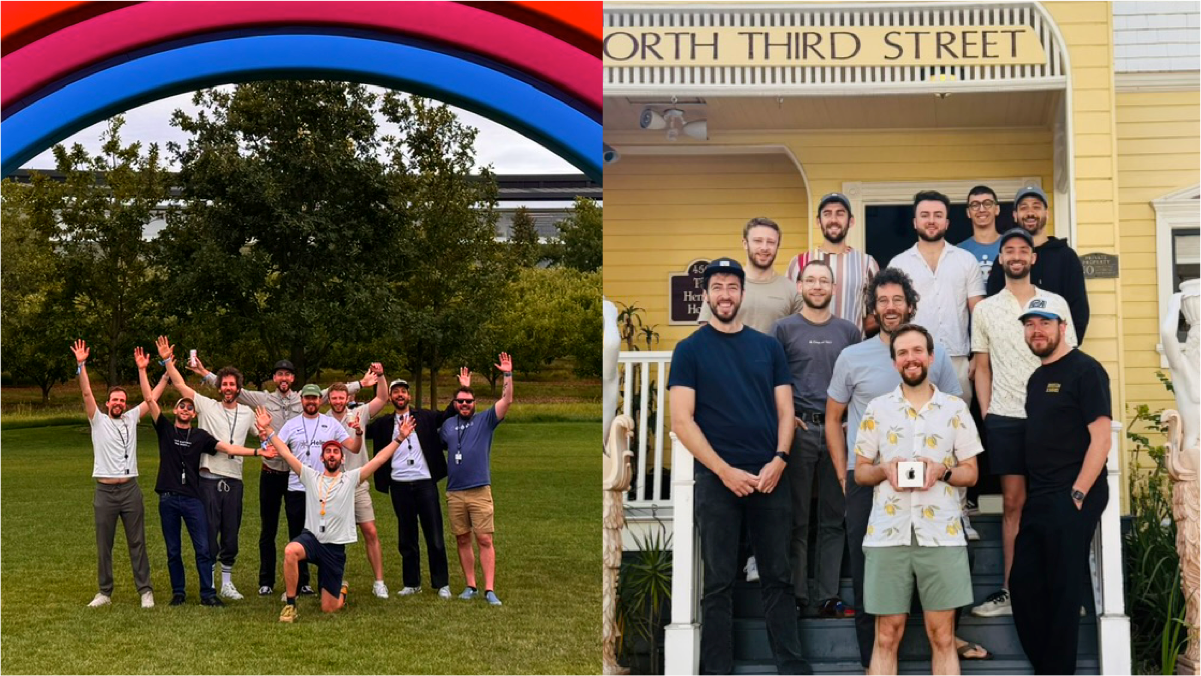
That’s a wrap on our first Shipped with Helm interview. Thanks to Frederik Riedel and the one sec team for sharing how they plan, test, and ship updates at scale. More conversations with the developers behind the apps you know and love are on the way.
one sec
Build a healthier relationship with your phone by introducing a pause before opening distracting apps.